
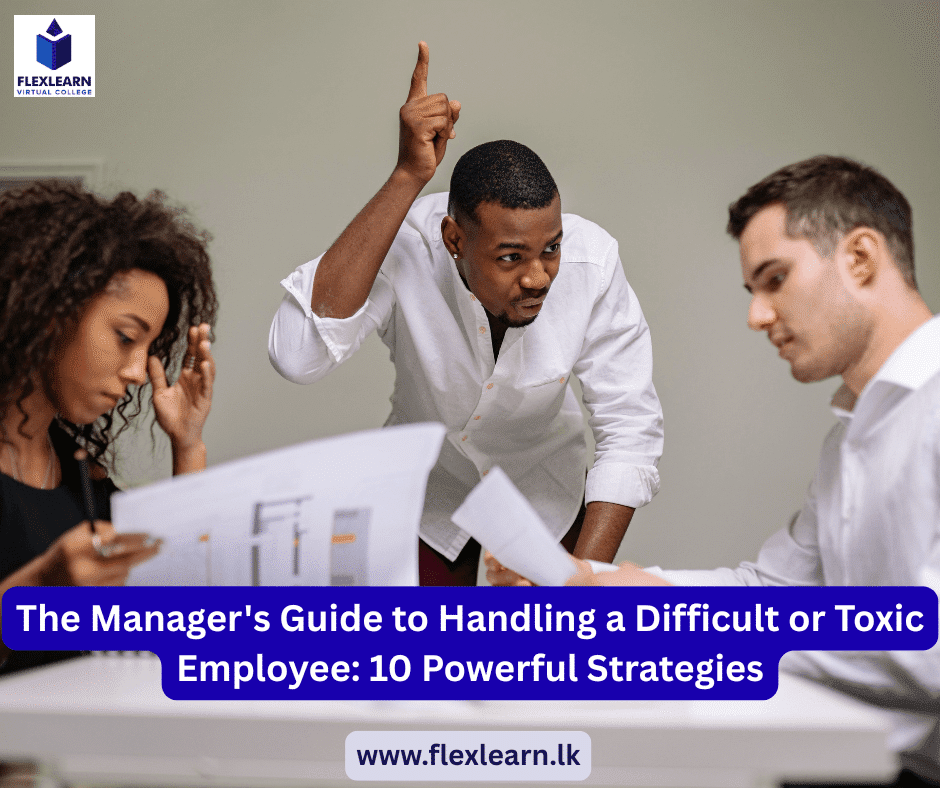
The Manager’s Guide to Handling a Difficult or Toxic Employee
Every manager, regardless of their experience level, will eventually face the challenge of a difficult or toxic employee. This isn’t just a minor inconvenience; such individuals can significantly undermine team morale, productivity, and the overall work environment. In Sri Lankan workplaces, where harmony and respect are often highly valued, the presence of a challenging employee can be particularly disruptive, affecting the intricate social fabric of the office. Therefore, having The Manager’s Guide to Handling a Difficult or Toxic Employee is not just beneficial, but absolutely essential for maintaining a healthy and productive team. Ignoring these issues in the hope they will resolve themselves is a common, yet often catastrophic, mistake. Unaddressed, difficult behavior can escalate, leading to increased employee turnover, reduced output, and a culture of negativity that permeates the entire organization.
The impact of a toxic employee extends far beyond their immediate interactions. Their negativity can spread like wildfire, infecting otherwise positive team members and eroding trust in management’s ability to address problems. Managers in Sri Lanka, often balancing cultural sensitivities with professional expectations, require a nuanced approach to these situations. It’s not about being punitive for the sake of it, but about preserving the integrity and functionality of the team. This guide aims to provide a comprehensive, step-by-step framework to navigate these challenging situations with confidence, fairness, and effectiveness, ensuring that you can transform potential liabilities into opportunities for growth and improvement, or, if necessary, make the tough decisions required for the greater good of the team. This isn’t just about managing a single individual; it’s about safeguarding your entire team and its success.
Understanding the Spectrum of Difficult and Toxic Behavior
Before diving into solutions, it’s crucial to understand what constitutes “difficult” or “toxic” behavior. A difficult employee might be someone who consistently misses deadlines, struggles with teamwork, or has a negative attitude. A toxic employee, on the other hand, often engages in more insidious behaviors such as gossiping, undermining colleagues, creating conflict, or exhibiting passive-aggressive tendencies. While both types require intervention, the strategies for The Manager’s Guide to Handling a Difficult or Toxic Employee may vary. In Sri Lankan work cultures, where direct confrontation might be less common, identifying these behaviors early and understanding their root causes is paramount. Is it a lack of skill, a personal issue, or a deliberate attempt to cause disruption? The diagnosis will guide the treatment.
Strategy 1: Document Everything – The Power of Evidence
The first and most critical step in The Manager’s Guide to Handling a Difficult or Toxic Employee is meticulous documentation. Keep a detailed record of specific incidents, including dates, times, what happened, who was involved, and any attempts you made to address the issue. This isn’t just about building a case for disciplinary action; it provides objective data for conversations, helps identify patterns, and ensures fairness. Without documented evidence, your interventions become subjective and easily disputed. This is especially important in Sri Lanka where verbal agreements might hold sway, but formal documentation provides an irrefutable foundation.
Strategy 2: Initiate a Private, Direct, and Timely Conversation
Avoid public confrontations, which can embarrass the employee and erode trust. Instead, schedule a private meeting as soon as an issue arises. Be direct but professional. Focus on the behavior, not the person, and explain its impact on the team or business. For example, instead of “You’re always late,” say, “Your arrival at 9:30 AM on Monday impacted the team’s ability to start the morning meeting on time.” Allow the employee to share their perspective. This direct, yet respectful, approach is vital in the Sri Lankan context where maintaining face is important.
Strategy 3: Clearly Define Expectations and Set SMART Goals
Often, difficult behavior stems from a misunderstanding of expectations or a lack of clear goals. During your conversation, clearly articulate what is expected of the employee. Use SMART goals (Specific, Measurable, Achievable, Relevant, Time-bound) to outline performance improvements. Provide concrete examples of acceptable and unacceptable behavior. Make sure the employee understands the performance gap and the steps needed to close it. This clarity forms the backbone of The Manager’s Guide to Handling a Difficult or Toxic Employee.
Strategy 4: Provide Training and Resources for Improvement
If the difficulty stems from a skill gap, offer the necessary training, coaching, or resources. This demonstrates your commitment to their success and provides an opportunity for genuine improvement. This could involve assigning a mentor, providing access to online courses, or offering internal workshops. This approach can be particularly effective in Sri Lankan workplaces where investment in employee development is highly valued. It shows you’re willing to support them, not just criticize.
Strategy 5: Establish a Performance Improvement Plan (PIP)
For persistent issues, a formal Performance Improvement Plan (PIP) is crucial. A PIP outlines specific areas for improvement, measurable goals, a timeline for achievement, and the consequences of not meeting those goals. It serves as a structured framework for progress and provides legal protection if termination becomes necessary. Both you and the employee should sign the PIP, acknowledging understanding. This step is a cornerstone of The Manager’s Guide to Handling a Difficult or Toxic Employee.
Strategy 6: Consistent Follow-Up and Feedback
After implementing a PIP or setting new expectations, consistent follow-up is essential. Schedule regular check-ins to discuss progress, provide constructive feedback, and offer ongoing support. Acknowledge improvements, no matter how small, and address continued shortcomings promptly. Inconsistent follow-up sends the message that the issue isn’t important, undermining your efforts.
Strategy 7: Protect Your Team from Negative Influence
While you work with the difficult employee, it’s crucial to shield the rest of your team from their negative influence. This might involve assigning them to individual tasks, limiting their interaction with certain team members, or even physically relocating their workspace. Openly communicate to the rest of the team that you are aware of the situation and are actively working to resolve it, without disclosing confidential details. This reassurance maintains morale and prevents the spread of toxicity.
Strategy 8: Consult HR and Legal Counsel
Never try to navigate serious difficult employee situations alone. Involve your Human Resources department early on. They can provide guidance on company policies, legal requirements, and best practices. If the situation escalates or involves potential legal risks, seek advice from legal counsel. This protects both you and the organization. HR is a valuable ally in The Manager’s Guide to Handling a Difficult or Toxic Employee.
Strategy 9: Prepare for the Toughest Decisions
Despite all your efforts, some employees may not improve. In such cases, you must be prepared to make the tough decision to terminate their employment. This is always difficult, but it’s a necessary step to protect the health and productivity of the entire team. Ensure you follow all company policies and legal procedures for termination, with HR’s full involvement. The ultimate goal is to foster a positive work environment.
Strategy 10: Prioritize Your Own Well-being
Dealing with difficult or toxic employees is emotionally draining. It’s crucial for managers to prioritize their own well-being. Seek support from mentors, colleagues, or even professional counseling if needed. Don’t let the negativity of one individual impact your mental health or leadership effectiveness. A resilient manager is better equipped to implement The Manager’s Guide to Handling a Difficult or Toxic Employee effectively.
In conclusion, successfully handling a difficult or toxic employee requires a blend of courage, empathy, strategic planning, and unwavering commitment to your team’s well-being. While challenging, every such situation presents an opportunity for you to hone your leadership skills and reinforce a culture of accountability and respect. By following the comprehensive steps outlined in The Manager’s Guide to Handling a Difficult or Toxic Employee, managers in Sri Lanka can confidently address these issues, fostering a more harmonious, productive, and ultimately successful workplace for everyone. Remember, your primary responsibility is to the team and the organization as a whole.
1. What’s the difference between a “difficult” and a “toxic” employee?
A difficult employee often struggles with performance, attitude, or teamwork but may be amenable to improvement. A toxic employee actively engages in harmful behaviors like undermining, gossiping, or creating conflict, often with malicious intent, which is a key distinction in The Manager’s Guide to Handling a Difficult or Toxic Employee.
2. How do I start a conversation with a difficult employee without making them defensive?
Focus on specific behaviors and their impact, not personal attacks. Use “I” statements (e.g., “I observed…”) and ensure the conversation is private and calm. Allow them to share their perspective without interruption.
3. What if the employee denies their difficult behavior or blames others?
Stick to your documented evidence and objective observations. Reiterate the impact of their actions on the team and business, and calmly redirect the conversation back to the agreed-upon facts and expectations.
4. When should I involve HR in a difficult employee situation?
Involve HR early and often, especially for persistent issues, potential policy violations, or when considering formal disciplinary actions like a Performance Improvement Plan (PIP) or termination.
5. How can I protect my team from the negativity of a toxic employee?
Maintain open communication (without gossiping about the individual), reinforce positive team values, address disruptive behavior promptly, and if necessary, limit the toxic employee’s interaction with vulnerable team members.
6. What if the difficult employee is a high performer in some areas?
Even high performers can be detrimental if their difficult behavior outweighs their contributions. Address the behavior directly, even if it’s uncomfortable. No one is above company standards for conduct, a core principle in The Manager’s Guide to Handling a Difficult or Toxic Employee.
7. Can a Performance Improvement Plan (PIP) genuinely help a difficult employee?
Yes, a well-structured PIP can provide clarity, support, and accountability, leading to genuine improvement. However, it also serves as a formal step if improvement does not occur.
8. What are common mistakes managers make when handling difficult employees?
Common mistakes include avoiding the issue, gossiping about the employee, inconsistent feedback, making assumptions without documentation, and failing to involve HR.
9. How do cultural nuances in Sri Lanka affect handling difficult employees?
In Sri Lanka, direct confrontation might be less common, and maintaining harmony is valued. Managers might need to use more indirect communication initially, focus on preserving dignity, and emphasize collective team goals while still being firm and clear about expectations.
10. What’s the most important takeaway from The Manager’s Guide to Handling a Difficult or Toxic Employee?
The most important takeaway is to act early, be fair and consistent, document everything, and prioritize the well-being and productivity of the entire team. Your leadership in these situations defines your management effectiveness.


